Talking About Intersectionality vs. Living It
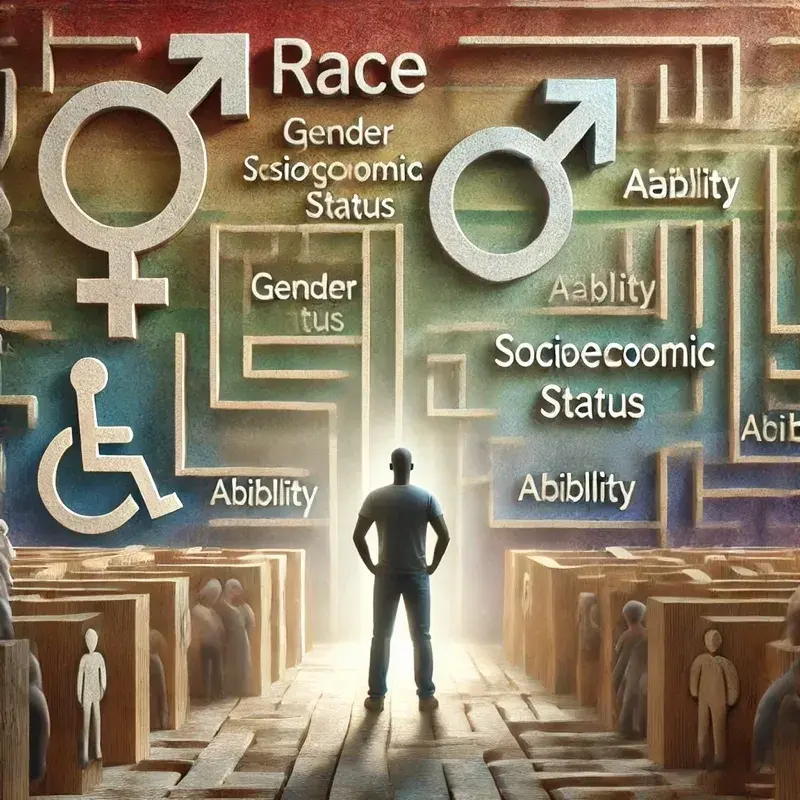
Intersectionality: a concept often discussed in workshops, panels, and conferences—a buzzword in the world of diversity and inclusion. But what does it actually mean to live intersectionality? For many, it’s more than a theory; it’s a lived reality that shapes every moment of their lives, affecting how they navigate work, relationships, and society.
Let’s take a closer look at the distinction between talking about intersectionality and truly living it—and why understanding this difference is critical to creating meaningful change.
What Is Intersectionality?
At its core, intersectionality is about understanding how different aspects of identity—such as race, gender, socioeconomic background, sexual orientation, ability, religion, and more—overlap to create unique experiences of privilege or discrimination.
For example, a Black woman’s experiences in the workplace may differ significantly from those of a Black man or a white woman, as she faces challenges linked to both race and gender. Similarly, a disabled LGBTQ+ individual may navigate the world differently than someone who is LGBTQ+ but not disabled. These overlapping identities compound barriers and create nuanced realities.
The Difference Between Talking About and Living Intersectionality
Talking About Intersectionality
When we discuss intersectionality in theory, we often reduce it to an academic concept or a checkbox in diversity training. It’s easy to analyse the term, debate its implications, and pat ourselves on the back for acknowledging it. But this theoretical approach often fails to capture the depth of the lived experiences it represents.
Living Intersectionality
For many, intersectionality isn’t just an idea—it’s their daily existence. Living intersectionality means:
Facing Barriers That Compound
Someone living at the intersection of multiple marginalised identities doesn’t experience discrimination in isolation. Instead, these barriers overlap, creating challenges that are more complex and harder to navigate.
Experiencing Situations Without Simple Solutions
A “one-size-fits-all” policy or approach rarely addresses the unique challenges of those with intersecting identities. What works for one marginalised group might unintentionally exclude another.
Navigating Selective Acceptance
In some spaces, certain aspects of one’s identity may be embraced, while others are overlooked, misunderstood, or even rejected. This creates a constant balancing act of seeking inclusion without erasure.
The Challenge for Workplaces and Society
Understanding intersectionality isn’t enough; we must take deliberate action to support those living it. To truly embrace intersectionality in the workplace, in our communities, and beyond, we need to move beyond abstract discussions and foster real empathy and systemic change.
What Does This Look Like in Practice?
Listen to Lived Experiences
Create spaces where individuals can share their stories without fear of judgment or tokenisation. Listening is the first step toward understanding the complexity of their challenges.
Reflect on Personal Biases
Acknowledge that we all carry biases. Take time to reflect on how those biases might affect the way we treat people with intersecting identities. Challenge yourself to do better.
Move Beyond Performative Actions
Acknowledging intersectionality isn’t enough. Organisations must implement policies that actively address the compounded challenges faced by people with multiple marginalised identities. This includes equitable hiring practices, accessible workplaces, and culturally competent leadership.
Recognise the Strength in Diversity
People living at the intersection of multiple identities bring unique perspectives, resilience, and problem-solving skills. Embrace their contributions and make them central to your organisation’s culture.
Be a Consistent Ally
Allyship means supporting marginalised communities consistently, not just during crises or awareness months. Show up, advocate for change, and amplify voices without overshadowing them.
The Call to Action: Living Intersectionality
To truly embrace intersectionality, we must move beyond intellectual curiosity and commit to action. It’s about stepping into the shoes of others—not just metaphorically, but through active listening, intentional learning, and the courage to challenge systems of oppression.
Ask Yourself:
How am I making space for people with intersecting identities in my personal and professional life?
What biases might I hold that prevent me from fully understanding someone else’s reality?
Am I advocating for systemic change, or am I just talking about it?
Intersectionality is not just a concept; it’s a lens through which we can build a more inclusive and equitable world. By committing to living intersectionality—not just discussing it—we can create spaces where everyone’s unique identity is respected, valued, and celebrated.
Let’s Move Forward Together
Living intersectionality is about more than words; it’s about action, empathy, and accountability. Together, we can break down barriers and create a society where overlapping identities are not only recognised but uplifted.
How will you embrace intersectionality in your work and life today?


